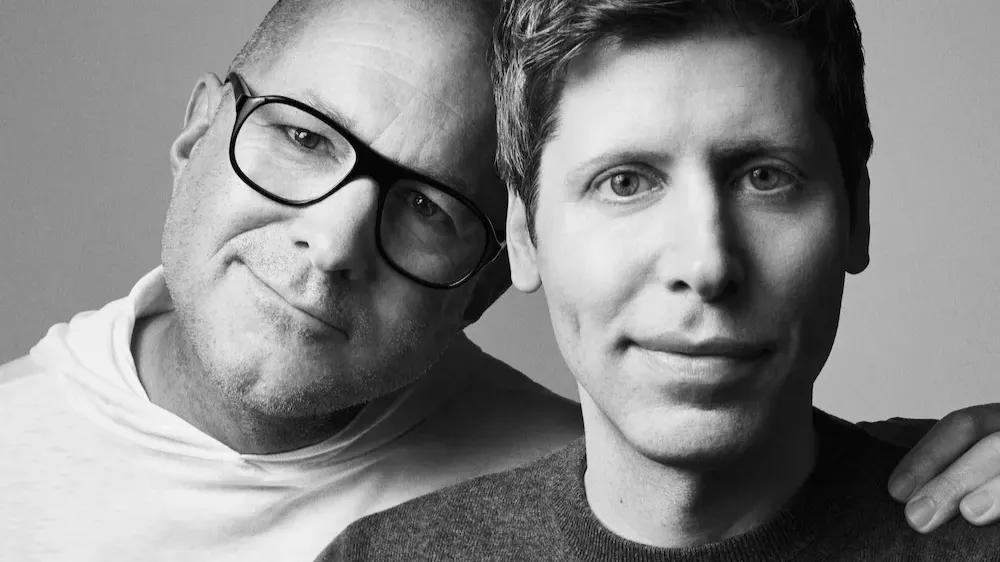
A OpenAI está realizando uma grande movimentação estratégica ao adquirir a io, empresa especializada em hardware de inteligência artificial, fundada por Jony Ive, renomado ex-chefe de design da Apple. Com a aquisição, cerca de 55 engenheiros altamente qualificados, incluindo nomes como Scott Cannon, Evans Hankey e Tang Tan, conhecidos pelo trabalho anterior na Apple, irão integrar a equipe da OpenAI.
Importante destacar que Jony Ive não se juntará diretamente à OpenAI; sua empresa de design, LoveFrom, permanecerá independente, mas assumirá um papel crucial ao comandar o design global da OpenAI, englobando também suas soluções de software. Este negócio foi avaliado em quase 6,5 bilhões de dólares, segundo informações divulgadas pela Bloomberg.
Os primeiros produtos resultantes dessa fusão de talentos devem chegar ao mercado em 2026. Jony Ive comentou publicamente sobre falhas recentes em hardware de IA, como os dispositivos Humane AI Pin e Rabbit R1, considerando-os “produtos muito ruins”, enfatizando a falta de inovação significativa nas soluções existentes.
Sam Altman, CEO da OpenAI, ressaltou que o novo dispositivo desenvolvido pela equipe não pretende substituir o iPhone, mas sim criar uma categoria completamente nova:
“Da mesma forma que o smartphone não eliminou os laptops, acredito que nosso primeiro produto não substituirá o smartphone. É uma categoria totalmente nova de tecnologia.”
Altman revelou ainda que tem trabalhado com a equipe de Ive há cerca de dois anos, explorando diversas possibilidades, desde fones de ouvido até dispositivos baseados em câmeras.
Ao receber um dos primeiros protótipos desenvolvidos, ele compartilhou seu entusiasmo:

The person on the left makes the If one of the people was much bigger, though, the balance would be thrown off.seesaw rotate counterclockwise, and the person on the right makes it rotate clockwise by an equal amount. The force of each person acts in a different direction, and their sum is zero.
Just as in the physical world, visual balance is a good thing. It’s desirable in and of itself. An unbalanced composition can feel uncomfortable for the viewer. Look back at the second of the three seesaw images — it looks wrong because we can tell that the seesaw shouldn’t be in balance.Visual weight is a measure of the visual interest of an element or area in a design. When a composition is visually balanced, every part of it holds some interest. The visual interest is balanced, which keeps viewers engaged with the design. Without visual balance, viewers might not see all areas of the design. They probably won’t spend any time in areas with less visual weight or interest. Any information in those areas could easily go unnoticed.
You would balance a design visually because you want to balance the points of interest in your composition, so that viewers spend time with all of the information you want to convey.
Balance is easy to understand in the physical world, because we experience it all the time. When something is unbalanced, it tends to fall over. You’ve probably been on a seesaw or a teeter-totter at some time in your life — you on one side and a friend on the other.
Assuming you were both about the same size, you were able to easily balance on the seesaw. The following image appears to be in balance, with two equally sized people equally distant from the fulcrum on which the seesaw balances.